
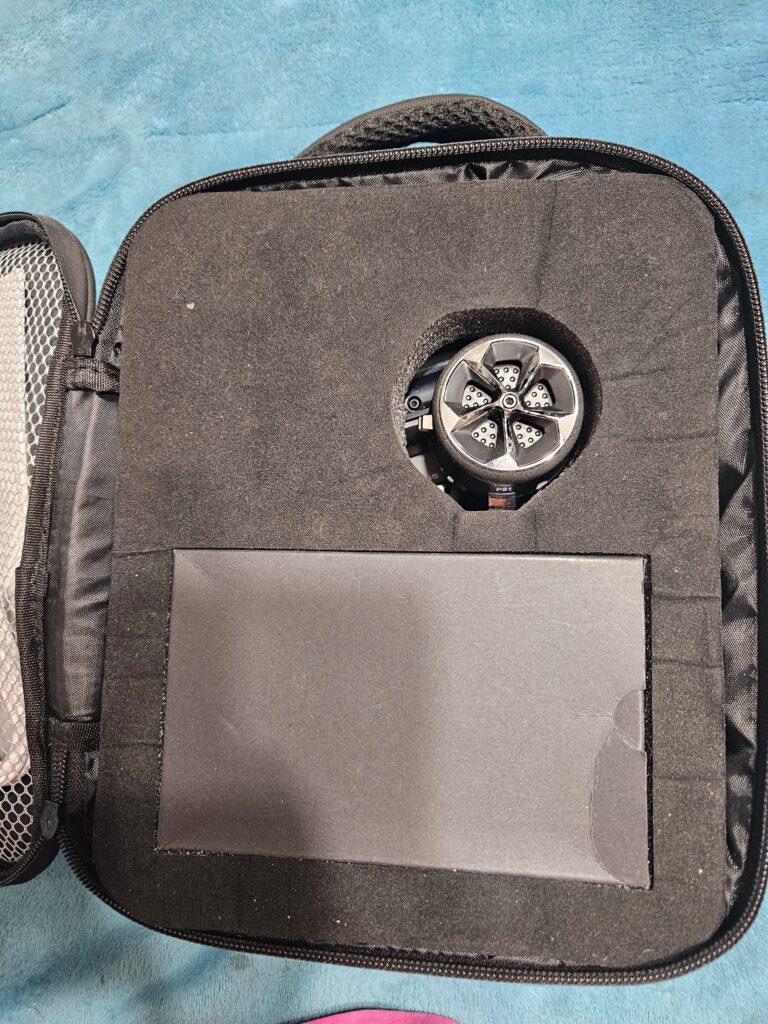
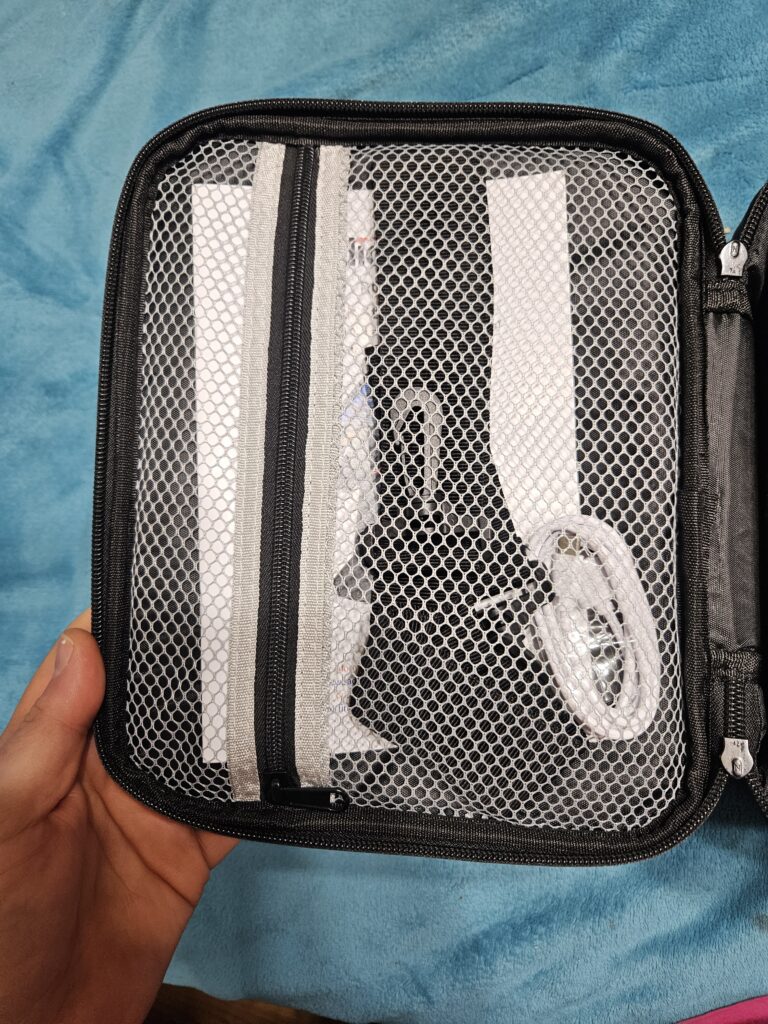
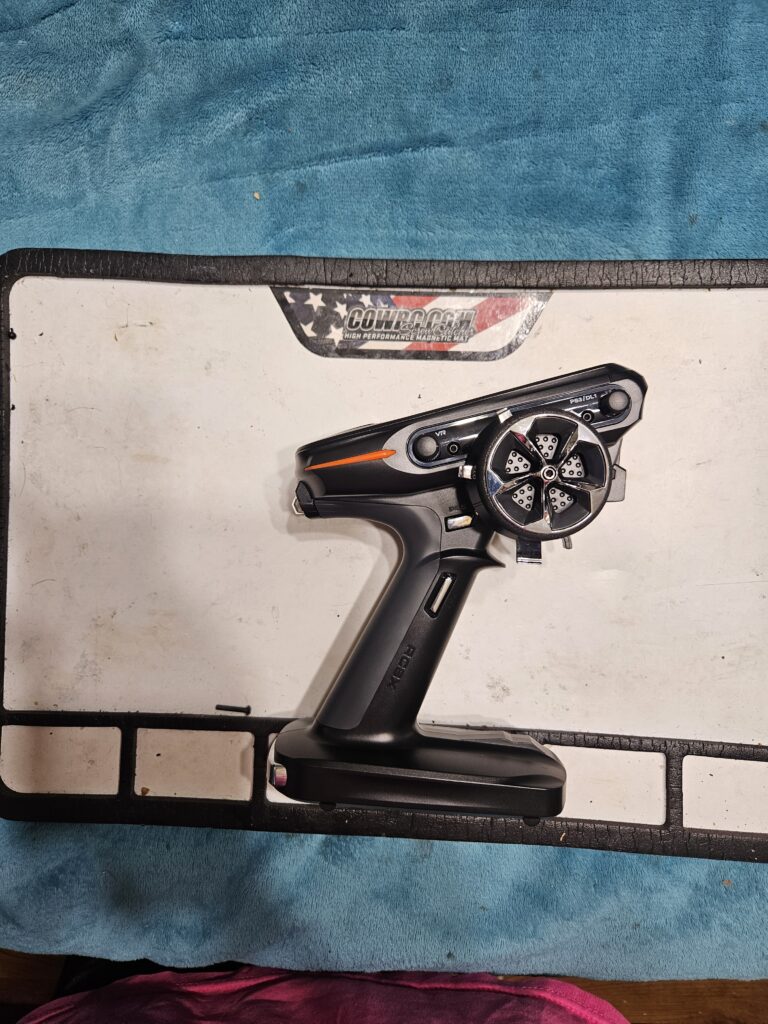
Longtime readers will know that I’ve used RadioLink transmitters and receivers in my vehicles for over a decade now; my first being an RC4G before moving on to the RC6GSv2 and RC6GSv3. I’ve never had a complaint about these transmitters other than not having enough channels (the 4G, of course) and they have all been rock-solid reliable throughout their lifespan. When RadioLink originally announced the RC8X it ticked all of the boxes that I required in a radio; a larger screen, more channels that I could conceivably need, race-worthy adjustment capability, and, above all, cheap receivers (I have a large collection of vehicles and it is ever expanding). The only thing I wasn’t on-board with was the price. The RC8X is an ultra-premium radio system and the price, while well below the competition, was still out of my reach. Fast forward to the fall of 2025 and I was made aware of RadioLink’s trade-in program and chose to upgrade at the same time. I entered the serial number off of my RC6GSv2 and saved a fair bit of coin on the retail price of a brand new RC8X. Out of the box the radio includes a super-tough padded radio case, the telemetry voltage adapter for use with XT60 connectors, a micro R4FGm gyro receiver, a dual-protocol R7FG gyro receiver as well as an owners manual to show you all of the settings and options this wonder-radio has to offer. Shown below is the case and how the radio looks right out of the box.
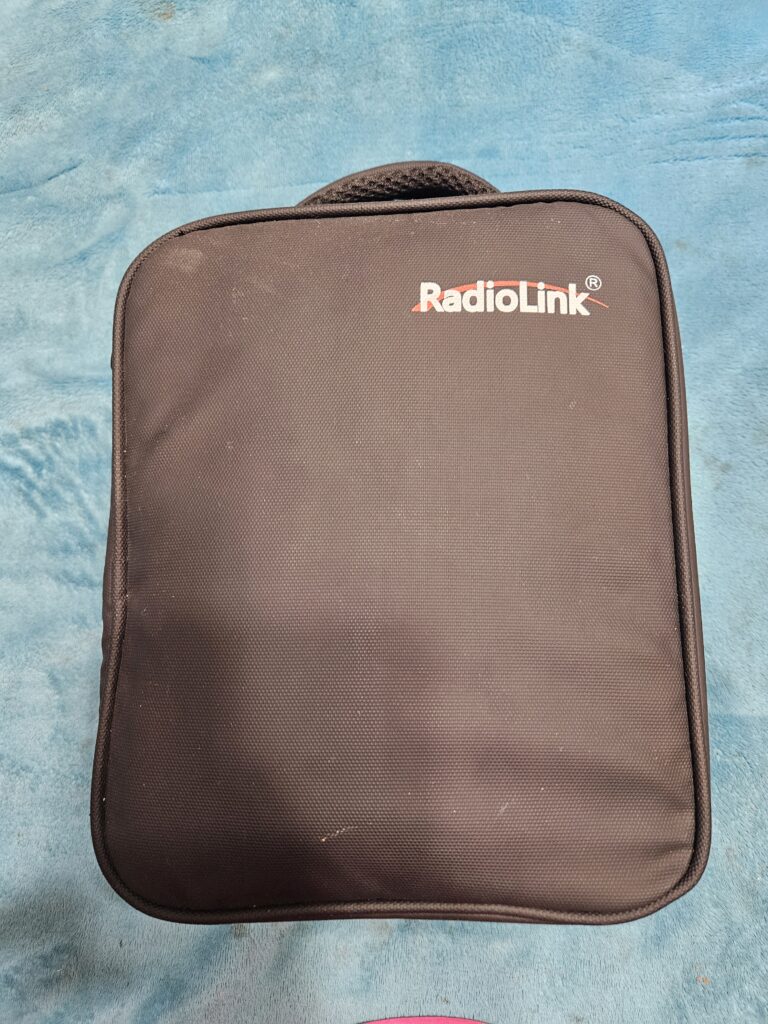
The RC8X safe in its foam-lined home:
IN USE
Firing up the RC8X requires installing eight “AAA” batteries into the bottom mounted battery compartment. I feel like this is a step back for RadioLink; the 6GSv2 and V3 both used six “AA” cells and most of the competition uses four “AA” or a dedicated Li-Ion or LiPO pack to power the transmitter. I feel like RadioLink could offer a factory lithium option as an accessory or even include a separate tray in the box to hold a small TX pack as this would reduce weight and also extend run time without the need to change the voltage regulator inside the transmitter.
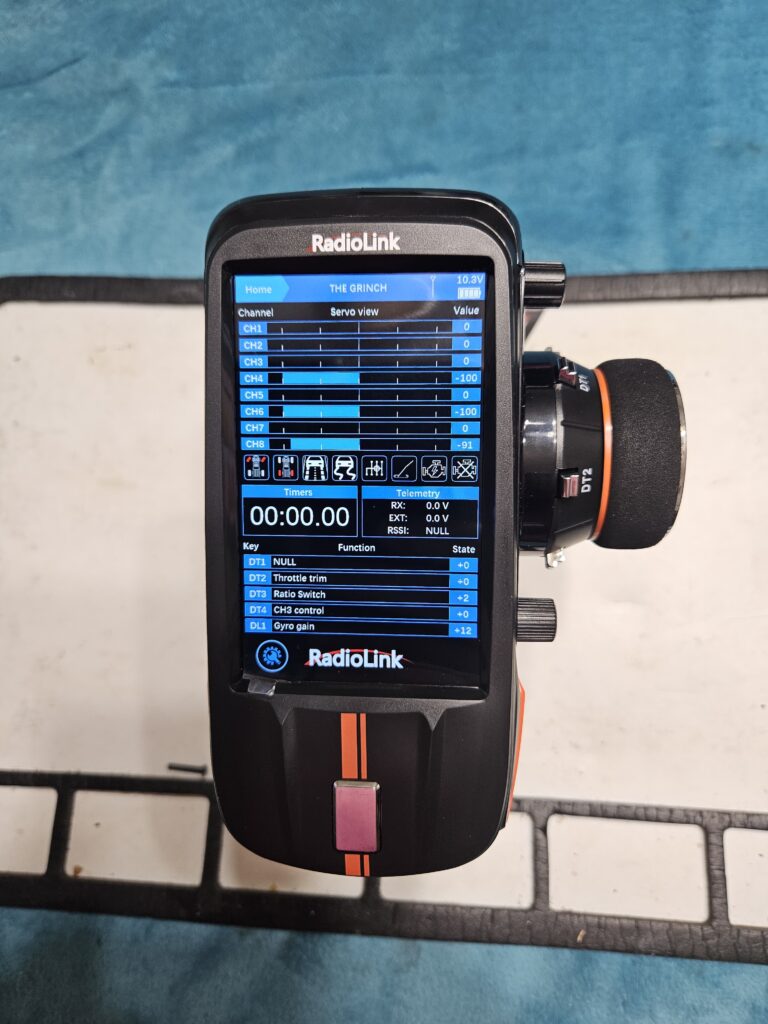
Firing up the transmitter you are greeted with a voice announcing the brand name followed by a home screen fraught with information. All eight channels are represented on the home screen showing trim for each as well as the voltage of the transmitter battery (as well as the car’s pack if you have the telemetry sensor installed). For me the amount of information on each screen reduces its size to a point that I have a hard time seeing it. I’m sure this is something that won’t affect 99.9% of users but since I am visually impaired it is an important factor for me. If the number of channels shown on the home screen was reduced by half and the font was doubled that would be a great start. Getting those two minor issues out of the way I was ready to see what this radio could do.
For its first test I bound the radio to an upcoming project that utilizes three channels and doesn’t more very quickly (big hint there) and headed outside. I was able to drive the vehicle far enough that seeing it became an issue but the connection to the transmitter was as strong as ever. Having the VR knob set as cruise control was a great feature to have as I could set it to around 35% and walk beside the vehicle while also taking my left hand off of the throttle trigger to give it a momentary break when needed. The third channel operation was set to one of the 3-position switches, DT3 to be exact, and could activate it with my middle finger of my right hand while steering; doing it this was feels very natural and is easy to learn to do without much thought. At no point in the more than two hours that I used the transmitter that first day did I have any signal issue or technical glitch… I call that a definite win!
Moving on to something faster I bound the RC8X to the R4FGm in my Team Associated RC10DS Classic Kit for a different type of test. This car has an aluminum chassis and can be rough on receivers if you don’t mount them with a little extra cushion; it can quite literally shake a RX to death. In this case I used one square of Gorilla brand double-sided tape to hold the micro receiver down while also not providing much extra protection. Having the gyro in this car is a blessing; this car is fast and only rear wheel drive making this car a handful if you are not paring attention. Again the range was limited by my ability to see the car, not by the radio’s capabilities. The latency between my giving a command and the car obeying is nearly zero. This radio is noticeably faster than the previous generation radios; using them back to back is an eye-opening experience. I was happy with the performance of by 6GS’s but the RC8X takes that level of contentment to a whole new level. I was able to hang on to the car despite the car being fitted with a 4500kV motor and a 2s 4600mAh shorty lipo (with the option to run 3s if I am feeling silly) thanks to the throttle ramping abilities of the radio under the expo menu; most radios have this feature but I found the RC8X’s to be among the smoothest I’ve used. Setting the radio this way allows for a softer hit down low to give the tires a fighting chance while the midrange and top end are an unrelenting torrent of watts that seemingly never ends. I chose not to utilize the ABS feature as it engages reverse in the ESC when trying to pulse the brakes unlike on a nitro motel which can make use of this feature (as a matter of fact I use ABS on my Traxxas Nitro 4-Tec 2.5 at it helps slow the car without locking all four wheels when slowing down from highway speed-limit breaking levels of velocity).
I’ll be using the 8X with my new RC10T7 and RC10SC7 once the rest of their electronics arrive and having the amount of race tuning features inside the radio will be a huge plus. One feature I am anxious to try is the “belly button” that RadioLink placed on the bottom of the handle of the radio. I see this being a useful tool to activate the lap timer also built into the transmitter; just press the radio against your body and it will clock your lap; no need to have a friend running a stopwatch for your during practice! For people like me who do testing by themselves this will be a game changer.
One feature that I haven’t used much personally is the ID seeding function. This allows you switch back and forth between two paired vehicles that are powered on at the same time by just selecting one or the other within the ID seed menu. This could be handy if you are testing two vehicles at the same time and want to keep testing conditions as similar as possible.
Overall I cannot say enough good things about this radio system. It works flawlessly, has great range, is extremely responsive and compared to its competition is quite affordable. Outside of a few personal quirks that mostly only affects people in my situation I can’t find fault with this radio and will happily recommend it to anyone who asks. 9.5/10
PRO’S
-Beautiful screen and excellent ergonomics
-Every adjustment known to mankind
-Eight channels to do most anything you could ever want
-Great range
-Includes a premium case and two receivers
CON’S
-Uses eight “AAA” batteries for power
-Screen is a bit busy and the font is very small, an optional firmware update could solve this a later point